


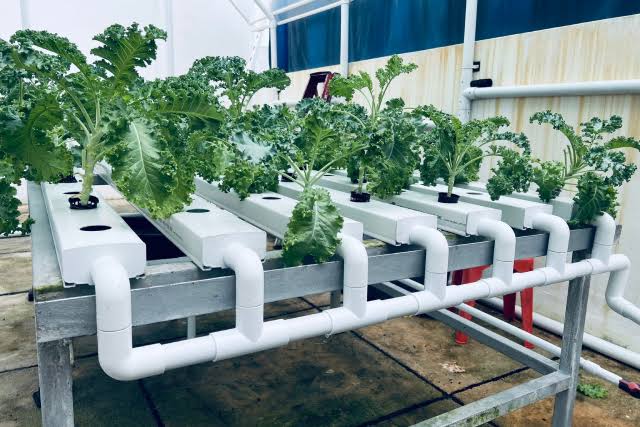
Hydroponic farming in Kenya is a radical departure from traditional agriculture and has the potential to completely revolutionize the country’s food production system. Hydroponics emerges as a beacon of innovation in a nation known for its rich agricultural history and the difficulties that go along with it. It’s offering a transformative method of cultivating crops without soil, using nutrient-rich water instead. This has several advantages over conventional farming, such as saving water, space, and labor, increasing yields and quality, and reducing pests and diseases. In this blog post, we will explore the potentials of hydroponic farming in Kenya and how it can change the face of agriculture in the region.
Hydroponic farming is not a new concept, but it has gained popularity in recent years due to the challenges faced by farmers in Kenya. Some of these challenges include drought, soil erosion, land scarcity, climate change, and market fluctuations. These factors have made it difficult for many farmers to sustain their livelihoods and feed their families. This farming method offers a viable alternative that can overcome these obstacles and provide food security and income generation for rural communities.
One of the main benefits of hydroponic farming is that it uses up to 90% less water than the conventional farming. This is because the water is recycled and reused in a closed system, minimizing evaporation and runoff. Water is also delivered directly to the roots of the plants, ensuring optimal absorption and growth. This is especially important in Kenya, where water scarcity is a major issue and irrigation systems are often inadequate or expensive. Hydroponic farming can help conserve water resources and reduce the dependence on rainfall.
Another benefit of hydroponic farming is that it saves space and increases productivity. The system can be set up vertically or horizontally, allowing for more plants to be grown in a smaller area. This means that farmers can produce more food with less land, which is crucial in a country where land is scarce and expensive. This farming method can also increase yields and quality, as plants grow faster and healthier in a controlled environment. Studies have shown that hydroponic crops can produce up to 10 times more than soil-grown crops per unit area.
Furthermore, hydroponic farming can reduce pests and diseases that affect crops. Since there is no soil involved, there is less risk of soil-borne pathogens or insects that can damage or destroy plants. The system also eliminate the need for pesticides or herbicides, which can harm the environment and human health, therefore improving food safety and quality, as well as reduce environmental pollution.
Hydroponic farming in Kenya has the potential to revolutionize the agricultural system and create new opportunities for farmers and consumers. It can provide a sustainable and profitable way of growing food that can cope with the changing climate and market conditions. It can also improve food security and nutrition, as well as create jobs and income for rural communities. Hydroponic farming is not without its challenges, such as high initial costs, technical skills, and market access, but with proper support and training, it can be a game-changer for Kenya’s agriculture.