


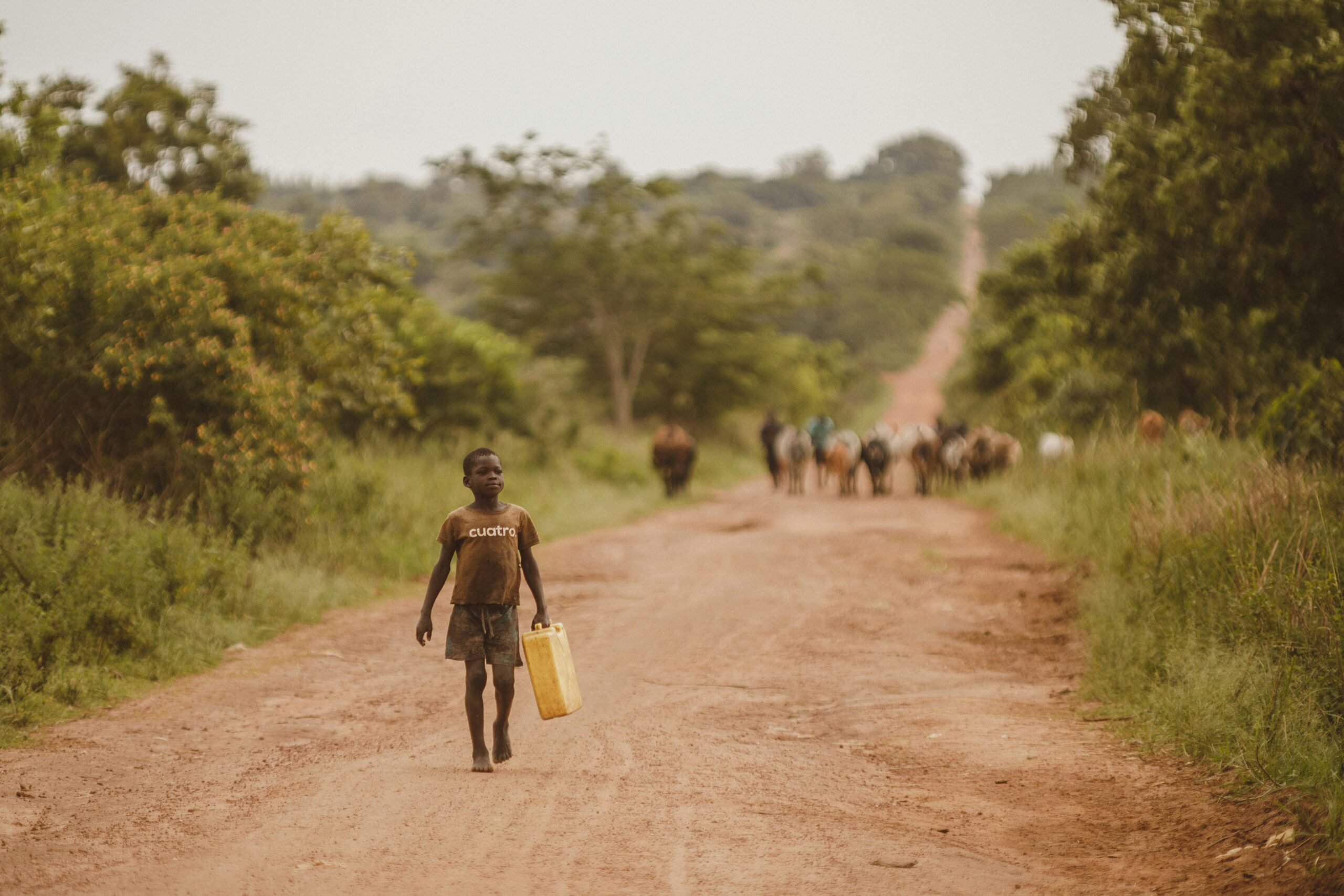
Storytelling is an age-old practice, embedded in the lives and communities of people across the world. It’s a medium through which we ask and answer questions like, “Why do things happen?”, “When did they happen?”, “What actually happened?”, and “How did they happen?” For young leaders aiming to foster change in their communities, storytelling becomes an essential tool. By effectively crafting and sharing their narratives, they can connect, inspire, and mobilize others to act.
This blog post explores insights and practical exercises designed to equip young changemakers with storytelling skills to create impactful written, visual, and spoken narratives for social change.
Why Storytelling?
Stories are more than just a recounting of events. They are a powerful means of connection and communication. The best storytellers capture our attention by blending facts with emotions and sensory details, making their narratives relatable and engaging. For young leaders, storytelling allows them to:
- Share the realities of their lives, communities, and peers.
- Build understanding and empathy among audiences.
- Inspire collective action for causes they care about.
Stories, whether fictional or true, have the potential to spark dialogue, challenge perspectives, and drive movements. As a young changemaker, your story holds the key to influencing others and igniting change.
Building a Good Story
Before diving into storytelling, it’s important to understand what makes a narrative compelling. A good story is relatable, builds emotional connections, and holds the audience’s attention through vivid descriptions and strong messages. Here’s how to start:
- Think of a Memorable Story: Reflect on a story you’ve heard or experienced that stayed with you. What made it special? Was it the emotions it evoked, the people involved, or the relevance to your life?
- Explore Your World: Use exercises like the “My World Chart” to document the people, places, and activities that shape your daily life. These elements form the foundation of your storytelling.
- Describe Your Journey: Write a short paragraph about a typical day or a significant experience. Use the questions “Who?”, “What?”, “When?”, “Why?”, and “How?” to ensure your story is detailed and complete.
Sam’s School Day
‘My name is Sam. I am nine years old, and I live with my father, mother, brother, and three sisters in a small house on the edge of our village. We have a goat, and I drink a glass of fresh milk every morning when I wake up. There is no bus, so I walk to school. The weather is always hot, but sometimes it rains a lot too. I like it best when it rains, as everything smells so fresh, even if I get wet! I walk along a long dirt road, which is brown and bumpy, and I have to cross over a bridge so I can get across the river where my mother washes our clothes. I always see people I know there gathering water or washing clothes. When I arrive at school, I greet my friends and my teacher, who asks me if I did my homework. I share my desk with my friend Michael, and I am already hungry from the walk. I feel very happy when my friend gives me a nice apple to eat. My teacher is so pleased with my homework and gives me a special star on my book. I feel excited and can’t wait to show my mother and father; they will be so proud of me. This makes me feel good and encouraged to keep working hard at my studies. “
For example, Sam’s story of walking to school vividly captures the sights, sounds, and feelings of his journey, making his narrative relatable and engaging. He uses sensory descriptions (“the road is brown and bumpy”) and emotions (“I feel excited”) to connect with the audience.
Storytelling in Words, Pictures, and Speech
Writing Your Story
Words have the power to transport readers into your world. To write effectively:
- Use sensory details: Describe what you see, hear, smell, taste, and touch.
- Incorporate emotions: Share how you and others feel about the events in your story.
- Answer key questions: Clearly explain the “who”, “what”, “when”, “why”, and “how” of your narrative.
Visual Storytelling
Photographs and visuals can complement and enhance your written stories. To tell stories visually:
- Use photos to illustrate key aspects of your narrative—people, places, and moments.
- Experiment with framing and angles to capture unique perspectives.
- Ensure authenticity by avoiding staged or misleading images.
Delivering a Speech
Public speaking is a powerful way to amplify your message. A strong speech has:
- A clear main topic.
- Two or three specific messages supported by facts or anecdotes.
- Recommendations or calls to action.
- A personal touch that reflects your voice and identity.
Meghla’s Speech from the European Development Days 2018
“Hello!
I am Meghla from Bangladesh. I am a member of the Child and Youth Forum of World Vision Bangladesh. I am very committed to advocating for an end to child marriage, particularly for the girls who are the victims of child marriage in my community.
In the area where I live, we have conducted child-led research and found that there are 40 percent of girls aged between 10 and 16 years old who get married before they are 18. This is becoming a big concern for child rights in our society.
The Child and Youth Forum is a big platform for us where we can express our views and problems and raise our voices against sexual abuse and violence against children. We advocate for change with the community people through awareness-raising campaigns to protect children from child marriage. We are united by a committee that includes teachers, children, and people from the community. We also have a good collaboration with the police station.
I joined the Child Forum when I was 13 years old. I have participated in many training sessions and workshops that helped me to be aware of the negative impact of child marriage, and I am now very committed to stopping it. Based on the things I have learned, I conduct awareness-raising events with my community people to spread our messages.
In the last 18 months, we, the members of the Child Forum, stopped 13 child marriage cases. I myself stopped seven child marriages by telling the families not to force their daughters to get married. This is one of our big achievements that we are very proud of.
In my personal case, I am happy that I was able to stop my own marriage. When I was 13, my mother forced me to get married to a man aged 30 who was living abroad. I didn’t know the man, and not even my mother knew him. I did not want to get married, and I was interested in continuing my education. Despite this, my mother fixed the date for the wedding without my consent. I tried to convince my mother to stop it, but I could not manage to convince her. Finally, on the day of my wedding, I ran away from my house and took shelter in one of my friend’s houses. I came back home later, and my mother stopped talking to me. This situation lasted three months until she realized that she was not right, and we restored our relationship.
The approach we use to stop marriages in our Child Forum is to talk to the parents to convince them that child marriage is bad for the girls. If it doesn’t work, then we go to the police station with the help of the community people. But sometimes, this work is not easy for us. We get threats from the parents and community people.
As an example, one of my friends was going to be the victim of child marriage. We got this information just two hours before her marriage. I, along with other Child Forum members, rushed to the police station as we didn’t have much time to convince the family. Finally, after many attempts, we were able to stop her marriage with the help of the police officers.
I am here today to raise the voice of the children who suffer from violence and especially for the girls who are victims of child abuse and early marriage. I call the EU [European Union] to help the children all over the world, and for this reason, I have some recommendations:\n\n- Make strong policies to ban child marriage and ensure proper implementation so that every child can go to school.
- Invest more in awareness-raising to change traditional thoughts and reduce gender discrimination.
- Ensure vocational training and life skills-based education for school dropouts.
- Ensure social safety for every girl so that she feels safe to go to school and is not abused or victimized in any form of violence.
This is the time to pay attention to girls’ education, make community people aware, and protect children from sexual abuse and violence.
We would like to enjoy our childhood.
We would like to see a society where no girl is a victim of abuse or child marriage.
We want to live our lives with freedom.”
Meghla’s speech from Bangladesh is an inspiring example. She shared her personal journey of stopping child marriages, weaving data and personal anecdotes into a compelling call for action. Her story not only highlighted an important issue but also showcased tangible solutions.
Sharing Stories on Social Media
Social media platforms offer young leaders unparalleled opportunities to reach diverse audiences. Here’s how to effectively share your story online:
- Choose the Right Platform: Facebook is great for building communities and sharing news. Instagram focuses on visual storytelling, while Twitter is ideal for quick updates and engaging with media and influencers.
- Craft Engaging Posts: Include storytelling essentials like “who”, “what”, “when”, “why”, and “how” in your posts. Use hashtags to increase visibility.
- Protect Privacy: Ensure that your posts do not reveal sensitive information or violate anyone’s privacy.
For example, a young leader might use Instagram to share photos of their community cleanup event, captioned with an inspiring story and hashtags like #SocialChange and #YouthLeadership.
Safeguarding in Storytelling
When telling stories, especially those involving others, it’s crucial to prioritize safety and respect. Here are key guidelines:
- Obtain Consent: Always seek permission before sharing personal stories or photos of others.
- Avoid Identifiable Details: Refrain from sharing real names, locations, or other identifiable information that could compromise privacy.
- Maintain Dignity: Ensure that your storytelling respects the dignity and rights of all individuals involved.
Exercises for Storytelling Mastery
World Vision’s toolkit includes practical exercises to hone your storytelling skills:
- My World Chart: Document your daily life and the elements that shape it.
- Describe a Journey: Write about a significant experience, focusing on sensory details and emotions.
- Compare Stories: Analyze examples like Sam’s school day to identify effective storytelling techniques.
- Plan Your Story: Use a storyboard to map out your narrative, ensuring all key elements are included.
- Photographing Your World: Practice taking photos that complement your stories, experimenting with angles and framing.
Storytelling is a skill that empowers young leaders to share their perspectives, inspire action, and drive social change. Whether through written words, visuals, speeches, or social media, your story has the power to make a difference. As you craft and share your narratives, remember to stay authentic, prioritize safety, and focus on the impact you want to create.