Kenya Didn’t Create the World’s Textile Waste Problem, But We’re Living With It
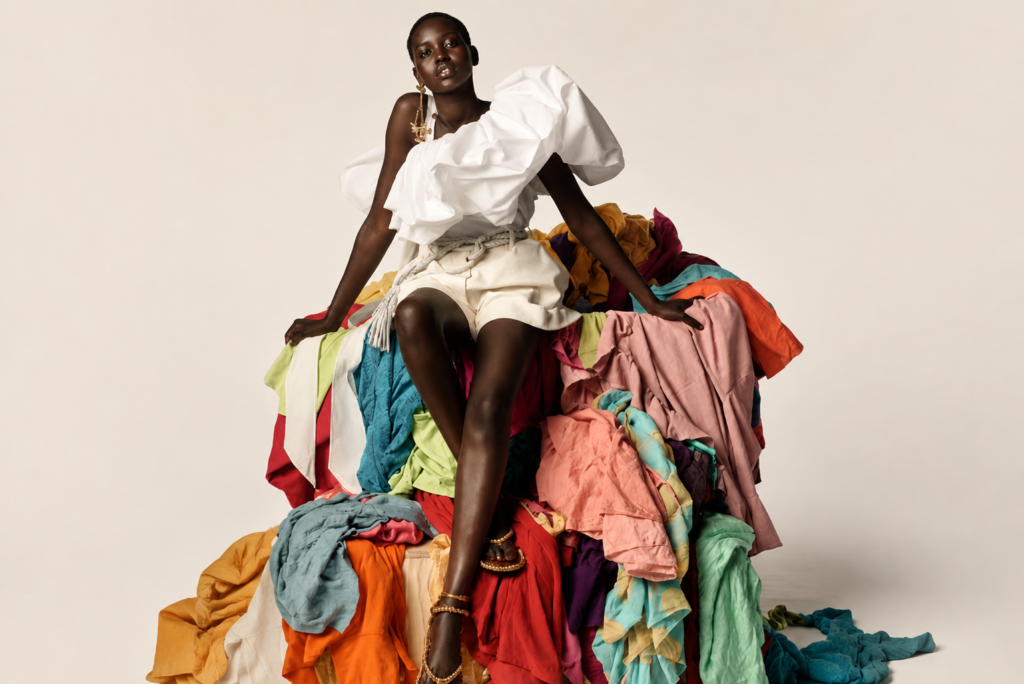
Every Saturday morning, markets across Kenya come alive. Traders unpack fresh bales of mitumba, customers search for bargains, and business moves quickly. For many people, it’s just another shopping day. Affordable clothes change hands, livelihoods are earned, and everyone goes home happy.
But there’s another side to that story that rarely gets mentioned.
Not every piece of clothing in those bales will ever be worn. Some are torn beyond repair. Others are badly stained, stretched out or simply too worn to attract a buyer. Before long, they become waste. Lots of it.
It’s easy to blame local waste management, but I don’t think that’s where the conversation should start.
The truth is Kenya didn’t create this problem. We didn’t create fast fashion. We didn’t convince people in Europe, North America or Asia to buy clothes they would only wear a few times before getting rid of them. Yet somehow, part of the environmental cost has found its way here.
For years, wealthier countries have shipped millions of second-hand clothes across Africa. Some of those clothes are excellent quality and serve people for years. That’s something worth acknowledging. Mitumba has helped millions of Kenyan families stretch their budgets, and it supports thousands of businesses. Nobody should pretend otherwise.
Still, there comes a point where second-hand clothing stops being a useful product and becomes someone else’s waste.
That line has become increasingly blurred.
Talk to traders and many will tell you the quality isn’t what it used to be. They open a bale hoping to make a profit, only to find items that nobody wants to buy. They absorb the loss, while damaged clothes slowly make their way into dumpsites, illegal dumping grounds or open fires.
It’s hard not to ask an uncomfortable question.
At what point does second-hand clothing become textile dumping?
This isn’t about pointing fingers at one country or another. It’s about recognising that global consumption has consequences far beyond the places where clothes are first sold. Fashion brands produce billions of garments every year because there’s demand for them. When those garments outlive their usefulness, someone has to deal with the waste.
Increasingly, that someone is countries with fewer resources to manage it.
Meanwhile, Kenya is still trying to build proper waste management systems for everyday household waste. Many counties struggle with collection, sorting and recycling. Textile waste simply gets added to an already overloaded system.
Walk through some dumpsites and you’ll notice clothes everywhere. Shoes with no pairs. Torn jackets. Children’s clothes mixed with plastic bottles and food waste. It paints a picture of a consumption pattern that doesn’t really belong to us, yet we live with its consequences every day.
The irony is that Kenya has shown the world what’s possible when environmental leadership meets political will.
The plastic bag ban wasn’t perfect, but it proved that bold environmental decisions can work. Plastic pollution became part of the national conversation because people could see the damage it was causing.
Textile waste deserves the same attention.
Not because it’s identical to plastic, but because it’s quietly becoming another long-term environmental challenge. Synthetic fabrics don’t disappear overnight. They break apart slowly, releasing tiny fibres into the environment. Burning unwanted clothes creates another set of problems, especially in communities where open burning is common.
What disappoints me most is that we keep talking about textile waste as if it’s only a disposal issue.
It isn’t.
It’s an economic opportunity that we’re barely exploring.
Imagine if counties had textile collection centres where old clothes could be sorted instead of dumped. Imagine if young entrepreneurs received support to recycle fabrics into insulation, furniture filling, industrial cleaning cloths or new textile products. Imagine if universities partnered with manufacturers to develop affordable textile recycling technologies suited for African markets.
Those aren’t unrealistic ideas. They simply haven’t received enough attention.
Kenya has built successful businesses from plastic recycling, organic waste and agricultural by-products. Textile waste could become another sector that creates jobs while reducing pressure on landfills.
Of course, none of this happens without better policy. Import standards need regular review. Waste management systems need investment. Reliable data is desperately needed because we still know surprisingly little about the true scale of textile waste in Kenya.
Most of all, we need honesty.
Mitumba has helped millions of Kenyans, and that shouldn’t be forgotten. At the same time, we shouldn’t ignore the environmental cost that comes with receiving more clothing than we can realistically use.
Both things can be true at once.
The conversation shouldn’t be about choosing between affordable clothing and environmental protection. It should be about making sure Kenya doesn’t become the final resting place for the world’s unwanted fashion.
That’s a future we still have the chance to avoid.