The Growing Pile of Textile Waste Kenya Can No Longer Ignore
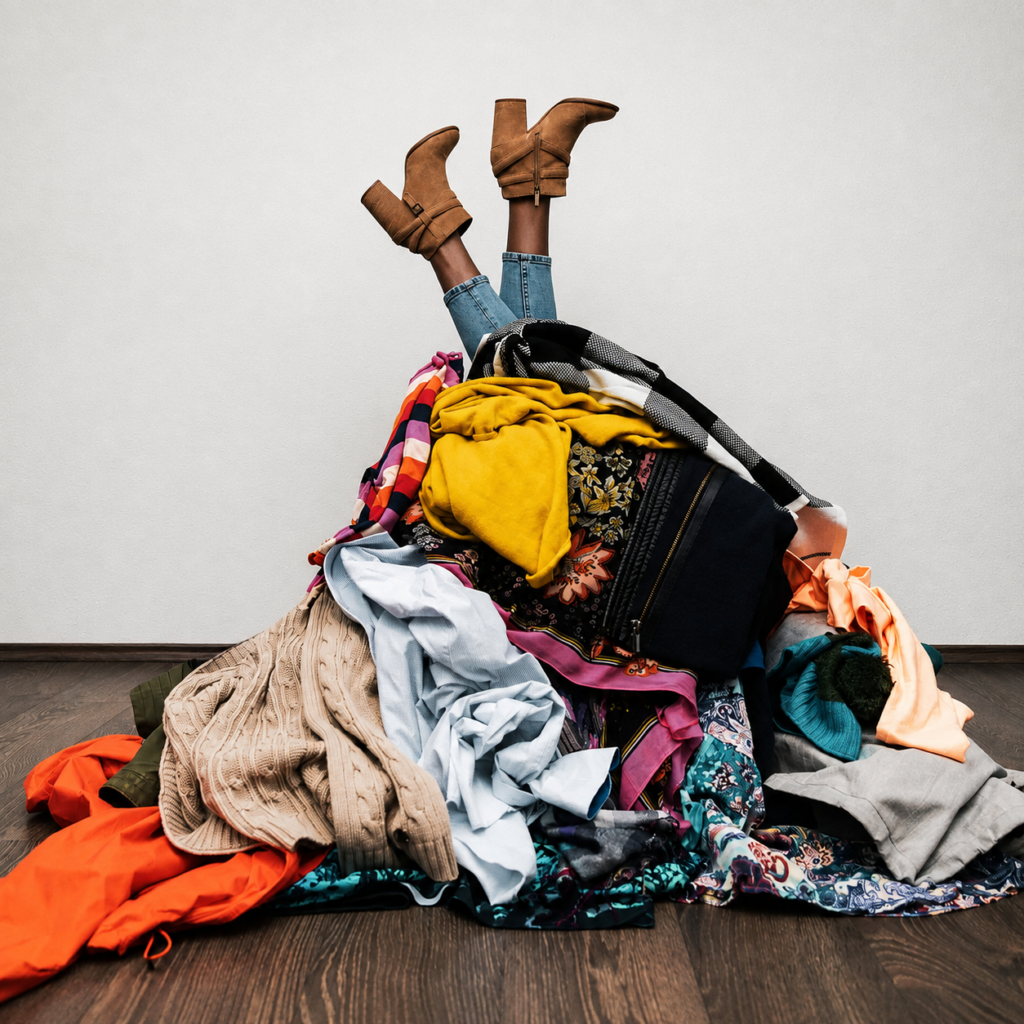
Walk through Gikomba, Kongowea, Toi Market or almost any second-hand clothing market in Kenya and you’ll see something that has become part of our everyday life. Mountains of clothes. Some are in excellent condition and quickly find a new owner. Others have torn seams, permanent stains, missing buttons or simply no market at all. Those don’t stay on the stalls for long. They end up somewhere else, and that’s where the real story begins.
Kenya has built an entire economy around second-hand clothing, locally known as mitumba. It provides affordable clothes for millions of people and supports thousands of traders, transporters, tailors and small businesses. For many families, mitumba is the only way to dress well without spending beyond their means. It’s easy to understand why the trade exists and why people depend on it.
The problem isn’t mitumba itself. The problem is volume.
Every week, huge bales of clothing arrive at the Port of Mombasa. While many items are wearable, a noticeable percentage cannot be sold from the moment they’re opened. Traders often say buying a bale is a gamble. One bale might be full of quality clothes, another might contain clothes that are already worn out, damaged or simply unsuitable for the local market.
Nobody really talks about what happens next.
Those unwanted clothes are usually thrown away, burned, dumped in open spaces or mixed with other solid waste. Visit dumpsites around major towns and you’ll find textiles tangled with plastic bags, food waste and construction debris. They don’t disappear quickly. Synthetic fabrics like polyester can remain in the environment for decades, breaking down into tiny fibres that eventually find their way into rivers and the ocean.
For a country that already struggles with waste management, textile waste is becoming another silent burden.
I’ve always found it strange that conversations about waste in Kenya almost always focus on plastic. Plastic deserves the attention it gets, but textiles rarely make it into the discussion despite the growing piles we see around markets and dumpsites. Maybe it’s because old clothes don’t look as alarming as plastic bottles floating in a river. Maybe we’ve simply accepted them as normal.
The numbers are difficult to ignore though. Globally, the fashion industry is among the largest contributors to pollution and waste. Fast fashion has changed the way people buy and discard clothing. Clothes are produced faster, sold cheaper and worn for shorter periods than they were twenty years ago. Some of those clothes eventually make their way to countries like Kenya through the second-hand market. By the time they arrive, many have already reached the end of their useful life.
This creates a difficult conversation.
Kenya benefits economically from the mitumba trade, yet it also bears part of the environmental cost. That’s not a simple issue to solve. Banning second-hand clothing isn’t a realistic answer. Millions depend on it, and local textile manufacturing isn’t yet in a position to meet the country’s demand for affordable clothing.
Instead, we should start asking different questions.
Can we sort textiles better before they’re imported? Can producers take greater responsibility for clothes that end up as waste in other countries? Can counties invest in textile collection systems instead of sending everything to dumpsites? These aren’t impossible ideas. They just require serious attention.
There’s also room for local innovation.
Around the world, old textiles are being turned into insulation materials, cleaning cloths, furniture stuffing, industrial rags and even new fabrics. Some companies are experimenting with recycling cotton into fresh yarn, while others are blending textile fibres into construction materials. Kenya has talented entrepreneurs who could build businesses around textile recovery if the right support existed. Right now, most of that potential is literally being buried in landfills.
Consumers have a role too, although it’s easy to put too much responsibility on individuals. Buying fewer low-quality clothes, repairing garments instead of replacing them immediately and donating usable clothing all help. But personal choices alone won’t solve a problem that’s largely driven by global production and trade systems.
Government also has work to do. Kenya has made progress on environmental issues before. The plastic bag ban showed that bold policy decisions are possible when there’s enough commitment. Textile waste deserves similar attention, not necessarily through bans, but through better data, recycling incentives and stronger waste management systems.
The truth is, textile waste isn’t just about clothes. It’s about how we consume, what we value and who carries the environmental cost of a global fashion industry that produces more than the world actually needs.
If we keep treating old clothes as someone else’s problem, the piles will only keep growing. But if we start seeing textile waste as a resource instead of rubbish, Kenya has an opportunity to build new industries, create jobs and reduce pressure on the environment at the same time.
That’s a conversation worth having before the next bale is opened.